Know When to Stay Low

Showing your work is not always a virtue. In fact, for most of my life, I treated visibility as progress—and it cost me more than I want to admit.
The Default Mode Most People Get Wrong
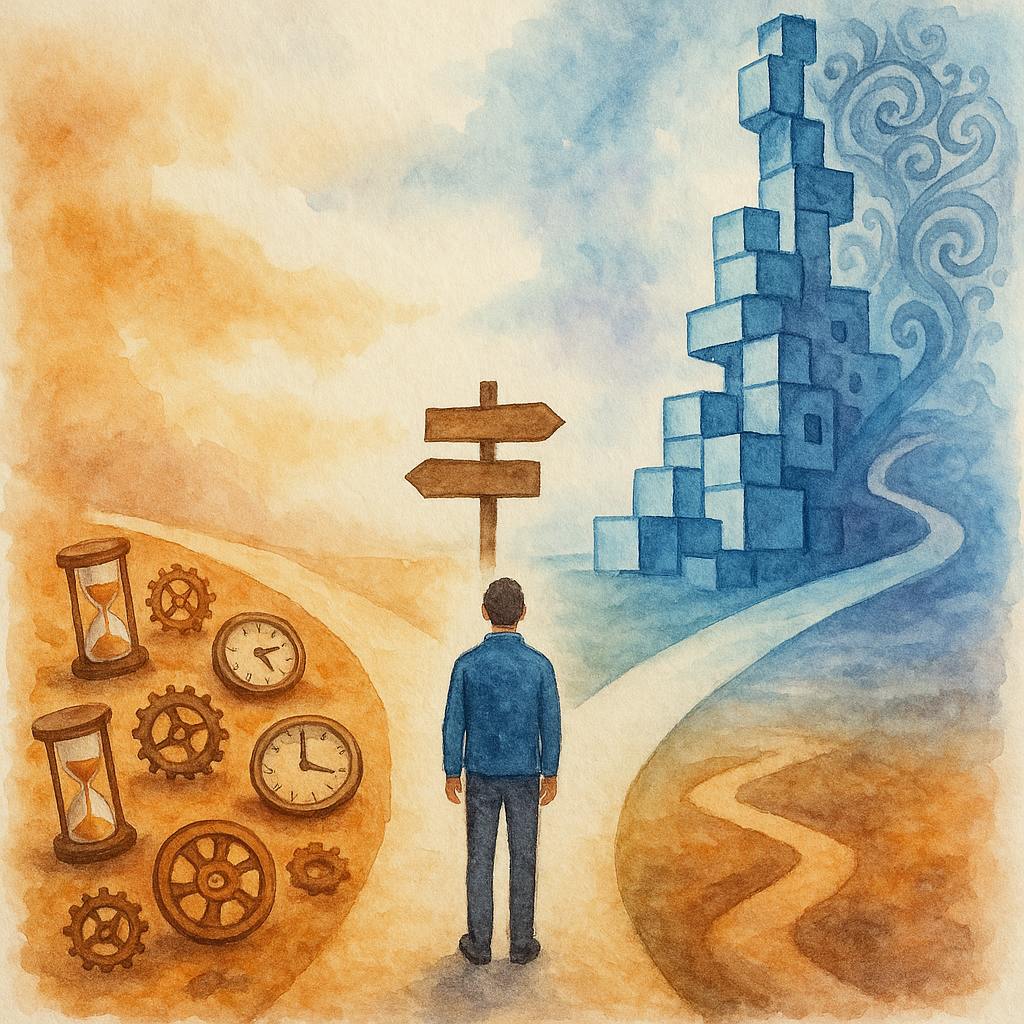
Most people default to sharing. They announce what they're building before it's built. They post about the process, the journey, the hustle—before there's anything real to show for it. And I get it. It feels productive. You get early encouragement. People cheer you on. But here's the thing: encouragement is not the same as result.
Sharing too early invites noise into the most critical phase of building. Outside opinions arrive before your foundation is strong enough to handle them. Early skepticism plants doubt. Unsolicited comparisons throw you off track. And before you know it, you're spending more energy defending your half-formed idea than actually building it.
What 25 Years of Hard Lessons Look Like
I spent roughly 25 years learning this the hard way. And I mean hard.
I built companies. Made an exit. Got investors. Had a vision conflict, bought their shares back. Lost profitable products—not because the products were weak, but because I shared them too early with the wrong people. For most of my career I operated in a permanent "show your work" mindset. Every move visible. Every idea public. Every thought broadcast.
Looking back, I gave away leverage I didn't even know I had. 47 is not the age you want to be when you finally understand that.
Strength Is Built in Private
Here's something nobody tells you when you're starting out: the most important work happens where nobody can see it.
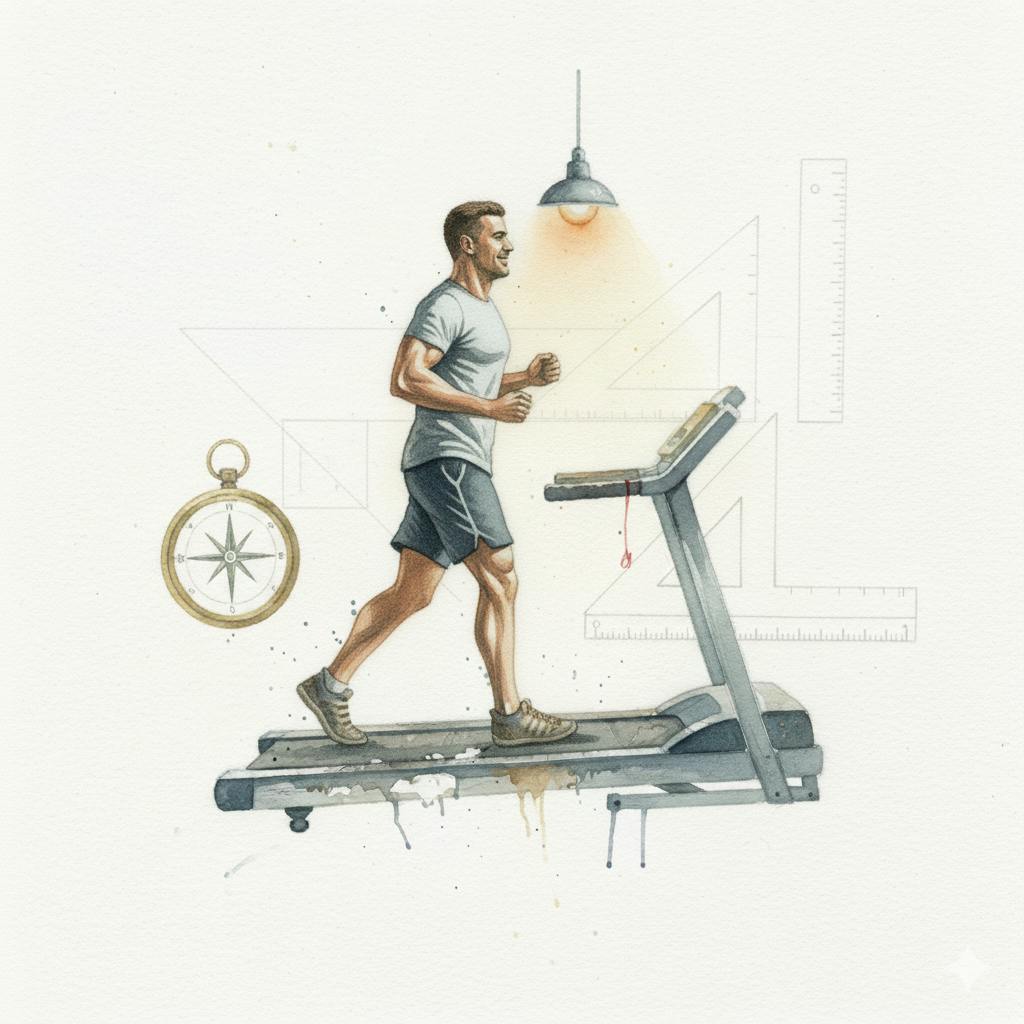
Athletes don't train with an audience. The hours that make a champion—the pre-dawn sessions, the grinding repetitions, the slow accumulation of capacity—those happen in empty gyms. Writers fill notebooks that never get published before the ones that do. Entrepreneurs run hundreds of small experiments that never make it into press releases.
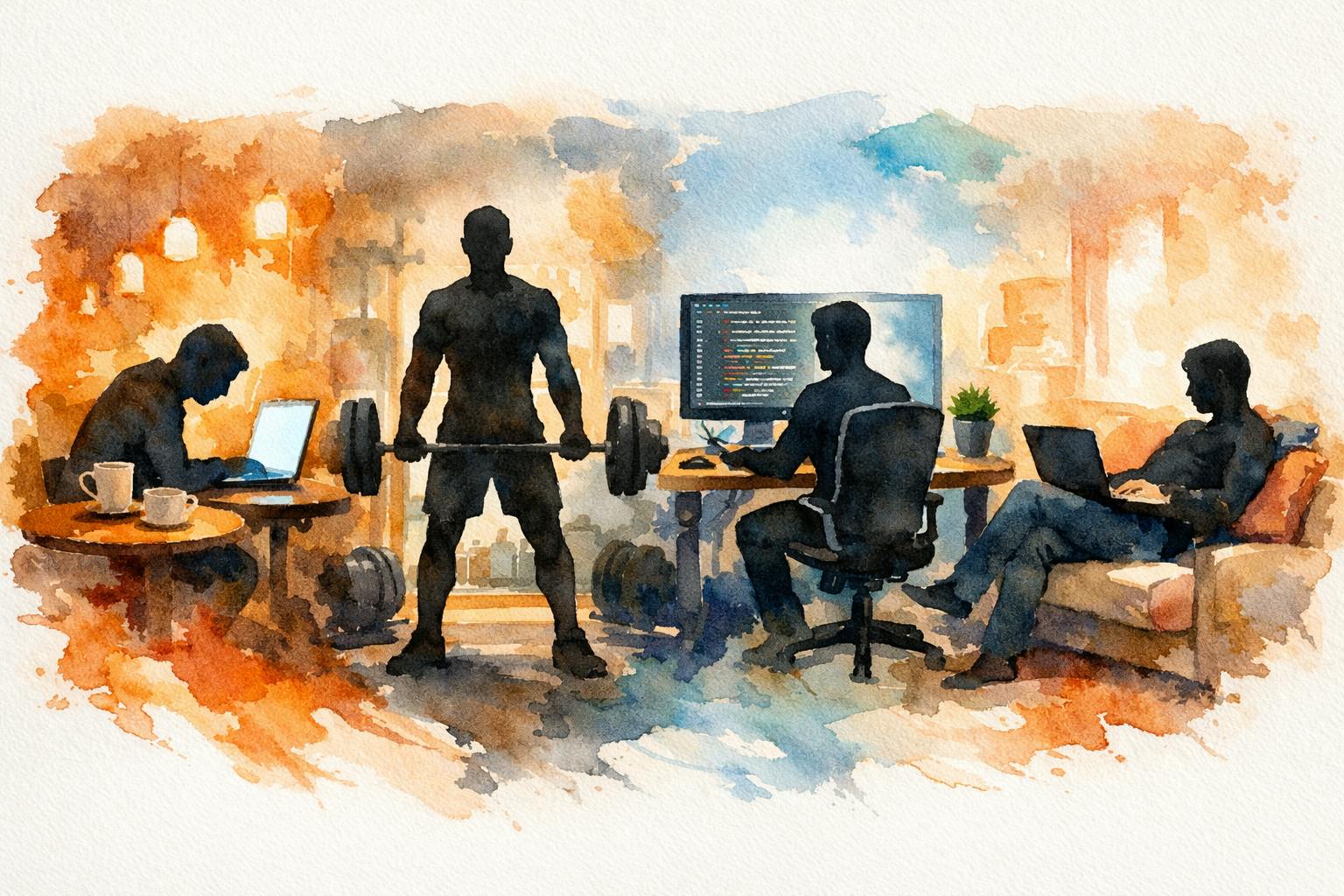
Visible success is always the output of a much longer, much quieter period of focused accumulation. You can't build strength and perform at the same time. The stage and the gym serve completely different functions. Trying to do both simultaneously just means you're doing neither properly.
Life Rewards Silence
After 40, I started noticing a pattern I couldn't unsee.
The people around me who had achieved the most durable results—the ones who built things that actually lasted—were almost always the ones I didn't see coming. They weren't broadcasting. They weren't building in public. They were building in private, and then one day they just... appeared. Fully formed. Ready.
People who move in silence create advantages that visible people simply can't access. They're not reacting to outside opinion. They're not defending half-formed ideas. They're not distracted by the noise that comes with premature exposure. The result of all that silence compounds over time. Quietly. Invisibly. And then, suddenly, it's not invisible at all.
Knowing When to Show Your Work
None of this means you never show your work. You do—but timing is everything. Timing, honestly, matters more than the work itself sometimes.
You show your work when the foundation is solid. When the evidence supports the claim. When what you're presenting can stand on its own without your explanation propping it up. And critically—you show it to the right people. Not to everyone. Not at every stage. Showing your work to the wrong person at the wrong moment can cost you momentum, relationships, and sometimes the entire project.
Selectivity is not arrogance. It's strategy. I wish someone had told me that at 25.
The Transition Comes With Age
This is one of those skills that genuinely gets easier as you get older. Not automatically—you have to pay attention—but the capacity for it develops over time in a way that it simply can't in your twenties.
Younger people almost always overestimate the value of visibility. I did. When you're still building your identity, external validation feels essential. You need people to see what you're doing because, in some way, their seeing it makes it real. Once the identity is established—once you know who you are and what you're capable of—you stop needing that confirmation. You build for the result, not the reaction.
I'm not claiming I've perfected this. But the progress over the last five years has been significant. I talk less about what I'm working on. I share less, earlier. And I've noticed the work is better for it.
The Practice Is Simple but Not Easy
Before you share anything—anything—ask yourself two questions. Is it ready? And who exactly needs to see this?
If you can't answer both of those clearly, you wait. You keep building. You protect the work until it can stand on its own without needing you to explain or defend it.
That takes discipline. Real discipline. It takes patience with a long feedback loop, and it takes the confidence to sit with good work that no one knows about yet. That last part is harder than it sounds. Sitting on something good—something you're genuinely proud of—and not telling anyone about it goes against some very deep human instincts.
But that confidence, that capacity for strategic silence? It's the most valuable thing I've built in 25 years of doing this. More valuable than any company, any exit, any product launch.
It just took me way too long to build it.