The 9 Brutal Truths About Building a SaaS Business

Building a SaaS business is harder than anyone tells you. Way harder. Most founders quit because they underestimate the grind, overestimate quick wins, and burn out long before they see any real results.
I recently watched Rob Walling's video "The Brutal Truths of Building a SaaS Business" and had to write down my key takeaways. Rob's spent 20+ years building and exiting SaaS companies—he's an investor at TinySeed and runs MicroConf. The guy knows what he's talking about.
Every single point he made hit different because I've lived through most of them. I'm writing this so I can reference these truths whenever I need a reality check.
Here are the 9 brutal truths from Rob's video that every SaaS founder needs to hear.
Social Media Audiences Don't Convert
Your Twitter following won't save your launch.
That viral post might bring 10,247 views, but your actual customers? They're somewhere else entirely. Launch bumps disappear in 3-4 days because audiences rarely match your ideal customer profile. I've seen this play out over and over—big audience, tiny conversion rate.
Focus on building real networks instead. People who have the problem you solve. Attend industry events, join communities where your customers actually hang out, have real conversations. Social proof matters way less than solving a painful problem for the right people.
You'll Spend Most of Your Time on Things You Hate
Building a SaaS means doing work you never signed up for.
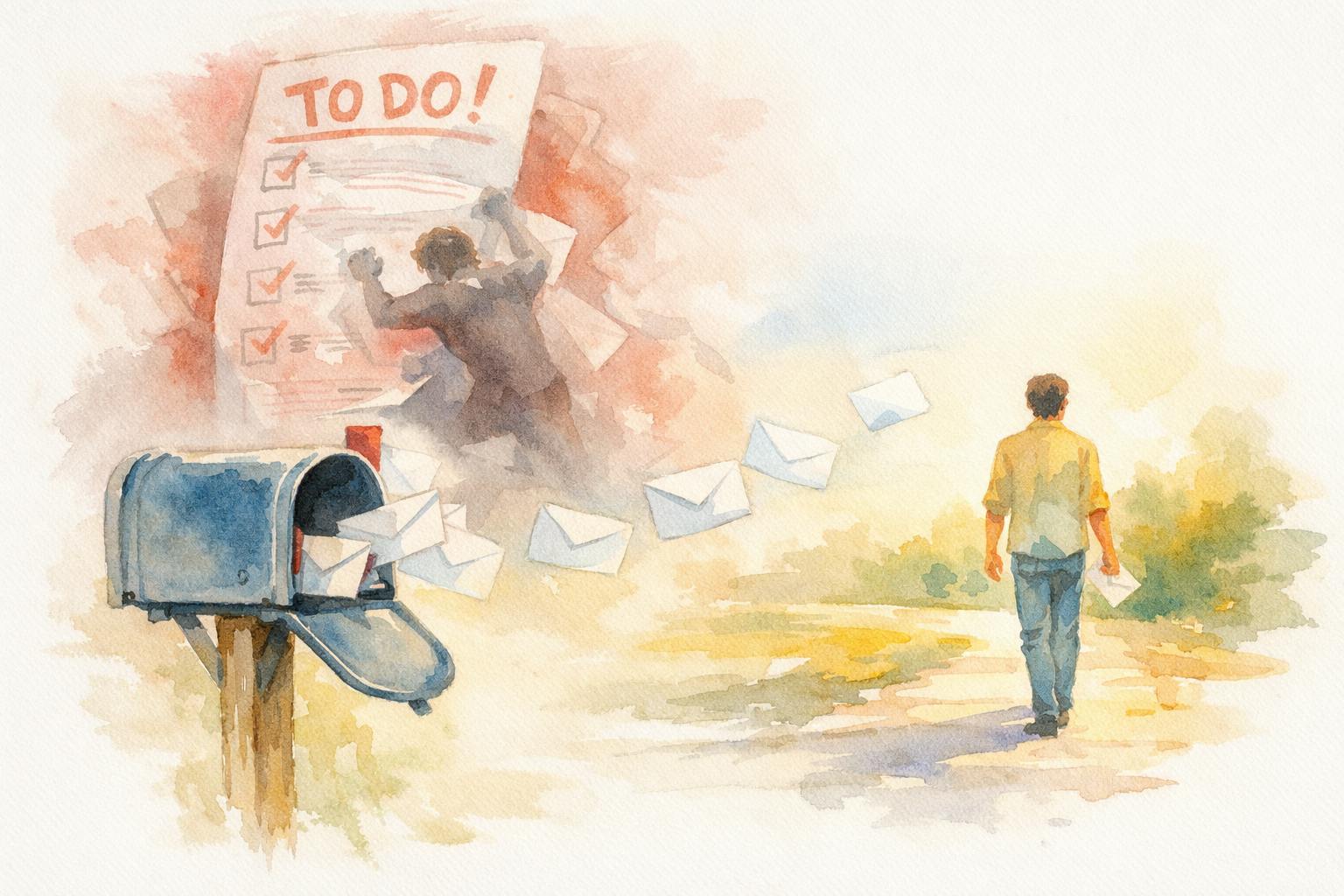
Cold outreach to potential customers becomes your daily routine (yes, every single day). SEO content requires churning out articles on topics you barely care about. Partnership deals demand endless negotiation and follow-up emails that go nowhere. The code you love writing? That takes maybe 20% of your time while marketing, sales, and operations consume everything else.
Success isn't about doing what you enjoy—it's about doing what works.
And what works is usually the stuff you'd rather avoid.
The Long Slow Ramp of Death Kills Dreams
Recurring revenue compounds slowly enough to break your spirit.
Most founders expect $10K MRR in six months but reality delivers two years of grinding. You add $487 in MRR one month, lose $213 to churn the next, and wonder if you're making any progress at all. The hockey stick growth you see in case studies? Those took years of invisible work that nobody talks about.
Patience isn't a virtue in SaaS—it's a requirement for survival. Think in years, not months. This is the long game.
Product-Market Fit is Brutally Elusive
Building something people use once is easy. Getting them to pay monthly for years is extremely difficult.
Your first product idea will probably miss the mark completely. Your second attempt might get closer but still fail to retain users beyond month three. Real product-market fit means customers can't imagine life without your tool and happily renew every billing cycle without thinking twice.
Most founders never find it. Not because they're not smart enough—because they give up before iterating enough times.
Churn Will Destroy Everything You Build
High churn rates kill growth no matter how many customers you acquire.
Sign up 100 customers at 10% monthly churn and you'll lose them all within a year. Every new customer just replaces the ones leaving instead of actually growing your revenue. Zero churn is the real goal because retention compounds just like revenue does.
Fix churn before scaling acquisition. Otherwise you're just pouring water into a leaking bucket—and wondering why the water level never rises.
Good People Cost More Than You Think
The talented engineer you need wants $147K plus equity. That growth marketer with proven results? $118K minimum. Salespeople who can actually close deals demand high base salaries plus commission structures that make your head spin.
Everyone knows their market value because remote work made talent global. You're not competing with local companies anymore—you're competing with every company in every timezone.
Retaining them requires competitive pay, interesting work, and a clear path to ownership or advancement. And even then, they might leave for a better offer.
Talent is expensive. And hard to keep.
The Responsibility Never Ends
Your customers expect 99.9% uptime even when you're on vacation.
Bugs appear at 2:17 AM and someone needs to fix them immediately. Support tickets pile up on weekends and holidays because problems don't respect your calendar (or your family dinner). The weight of other people's businesses depending on your software follows you everywhere.
Freedom from a 9-to-5 gets replaced by 24/7/365 responsibility.
It's a trade I'm willing to make, but let's not pretend it's actually "freedom." It's a different kind of constraint.
Stress and Burnout Are Part of the Package
Constant pressure from competition drains your energy daily. Watching competitors launch features faster creates this low-grade anxiety about falling behind that never really goes away.
The mental load of being "always on" accumulates until you can't think clearly anymore. I've been there—staring at my screen, knowing I need to make a decision, but my brain just... won't.
Founders who skip masterminds, therapy, or peer support burn out within three years (I've seen it happen). Taking care of your mental health isn't optional—it's required for survival in this game.
Everything Changes Faster Than You Can Adapt
Technology shifts make your architecture choices obsolete within two years. AI tools rewrite what's possible every six months and customers expect you to keep up with all of it.
Marketing channels that worked last year stop converting this quarter. UI/UX expectations evolve so fast your interface looks dated before you finish building it. The exhaustion from constant adaptation is real—and it's why most founders eventually sell or shut down.
You're running on a treadmill that keeps speeding up.
So Why Do It?
Despite all of this—the grind, the stress, the constant adaptation—SaaS can be life-changing. Both financially and personally.
Rob's advice at the end of the video is what stuck with me most: use the "stairstep method" to derisk your journey. Don't quit your job and dive headfirst into a SaaS idea. Build something smaller first. Learn the skills. Prove you can ship and market. Then level up.
If you haven't watched the full video, I highly recommend it. Rob goes deeper into each of these points with real examples from his 20+ years in the trenches.
I'm writing this down because I need to reference it in the future. When things get hard (and they will), I want to remember that the difficulty is the point. It's not a sign I'm doing something wrong—it's a sign I'm doing something that matters.
The brutal truths aren't meant to scare you off. They're meant to prepare you.
And preparation is the difference between quitting in year one and building something that lasts.