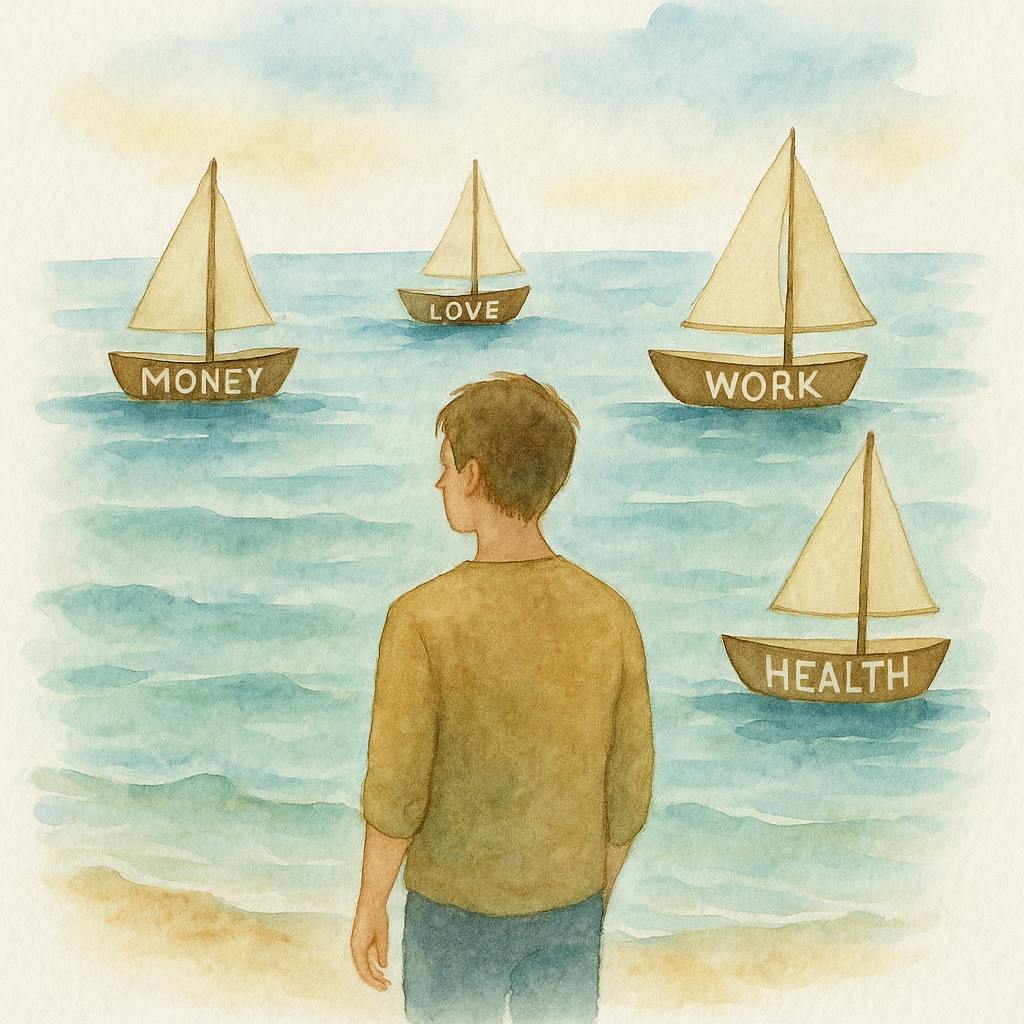
The Power of “No”: Aligning Opportunities with Core Values

In the ebb and flow of life, we often encounter opportunities that appear tantalizing – a lucrative business deal, an alluring romantic prospect, or an enticing special offer. As we hone our skills and excel in our domains, these opportunities multiply, each more appealing and harder to turn down than the last. They promise lucrative rewards: a boost to our emergency fund, a dream trip to Switzerland, or essential funding for our business growth. Yet, lurking behind these opportunities is a subtle fear of missing out (FOMO) – a worry that declining an offer might mean missing a crucial chance. But is this fear justified?
As creators, learners, and doers, the well of opportunities never runs dry. If one opportunity slips away, rest assured, another will soon emerge. The key consideration isn’t the frequency of these chances but their alignment with our core values, vision, and mission. I plan to delve deeper into this trifecta of personal alignment in an upcoming article, exploring how it profoundly shapes our life choices.
Our tolerance for what doesn’t align with our passions and principles diminishes with age. In youth, our energy often compensates for the lack of alignment, pushing us through tasks we don’t enjoy. But as we grow, our professional and personal identities become more defined. We recognize what ignites our passion, dive deep into it, and excel. This journey leaves little room for distractions that don’t resonate with our core selves.
Consider the scenario where we accept an opportunity solely for its financial reward. Initially, the monetary gain seems worth the compromise. However, as time progresses, our enthusiasm wanes. The quality of our work suffers because we’re merely ‘going through the motions,’ devoid of the heart and soul we usually pour into our passions. This disengagement seeps into our personal lives, stealing time from our loved ones and ourselves, leading to stress, exhaustion, and unhappiness.
So, we must ask ourselves: Is it worth it? Should we not rather invest our energy in what we love, dedicating ourselves wholly to our passions? And in our downtime, shouldn’t we prioritize the people we cherish? Ultimately, at life’s end, it’s not the opportunities we seized or missed that we reminisce about. Instead, it’s the moments spent with our loved ones and the regret of not spending more time with them that linger in our thoughts.
Therefore, let’s take a moment to outline our core values, define our vision and mission, and pursue our endeavors with love, not fear. Let’s reject the notion that missing out on an opportunity spells doom. Instead, let’s focus on nurturing what truly matters – our passions, our loved ones, and our alignment with our true selves.
In line with these reflections, I want to mention the “Love Not Fear” movement, founded by my good friend, partner and mentor, David Henzel. David’s journey and the ethos of the movement resonate deeply with my beliefs. It’s a reminder that our decisions should be made out of love, not fear. This approach has been a guiding principle in my life, steering me away from fear-driven choices and towards actions that align with love, integrity, and my core values. As we navigate life’s opportunities, let’s remember to choose love, not fear, and allow that choice to illuminate our paths.