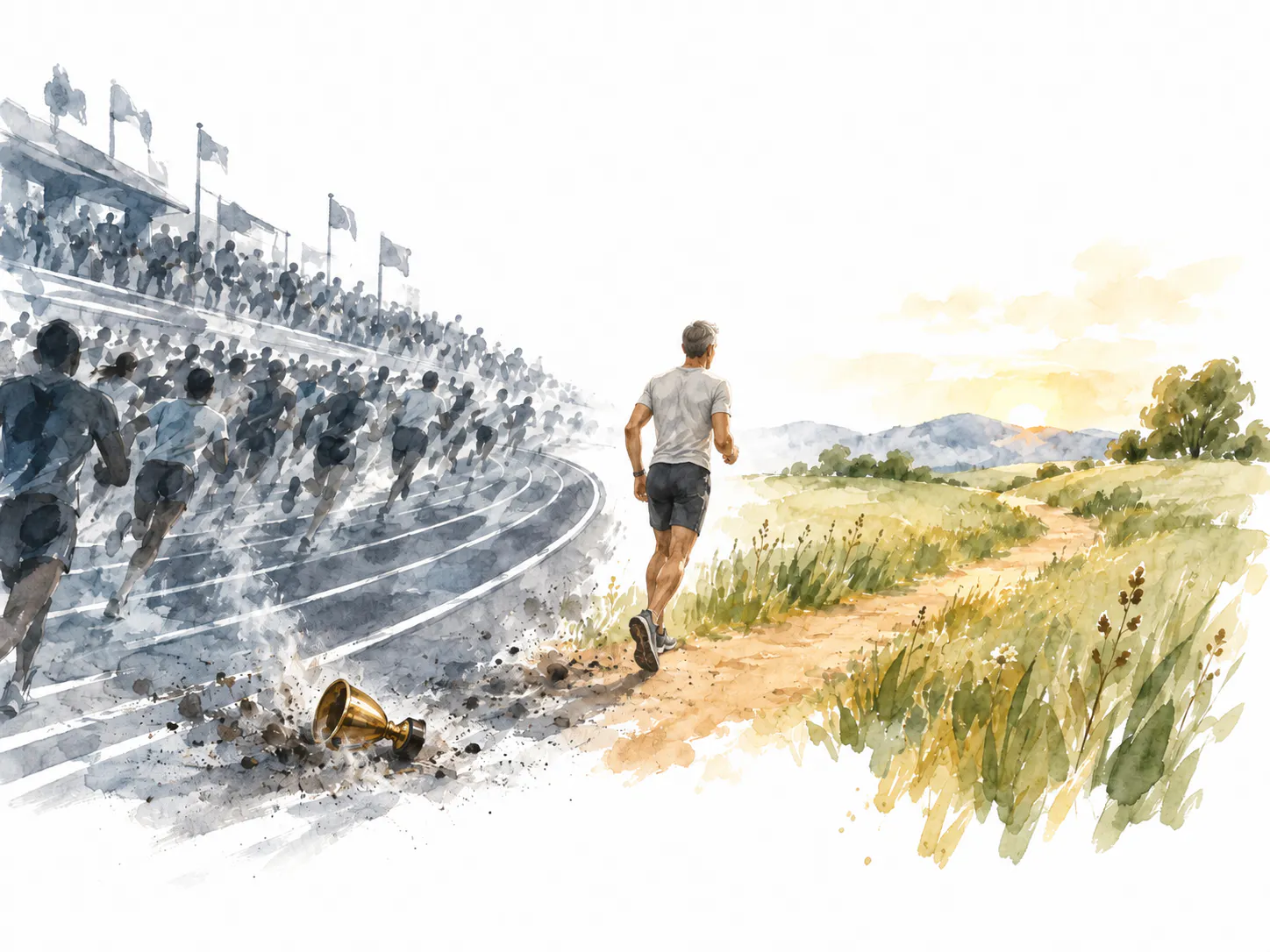
We Have More Horsepower Than Ever. Now Comes the Harder Part.
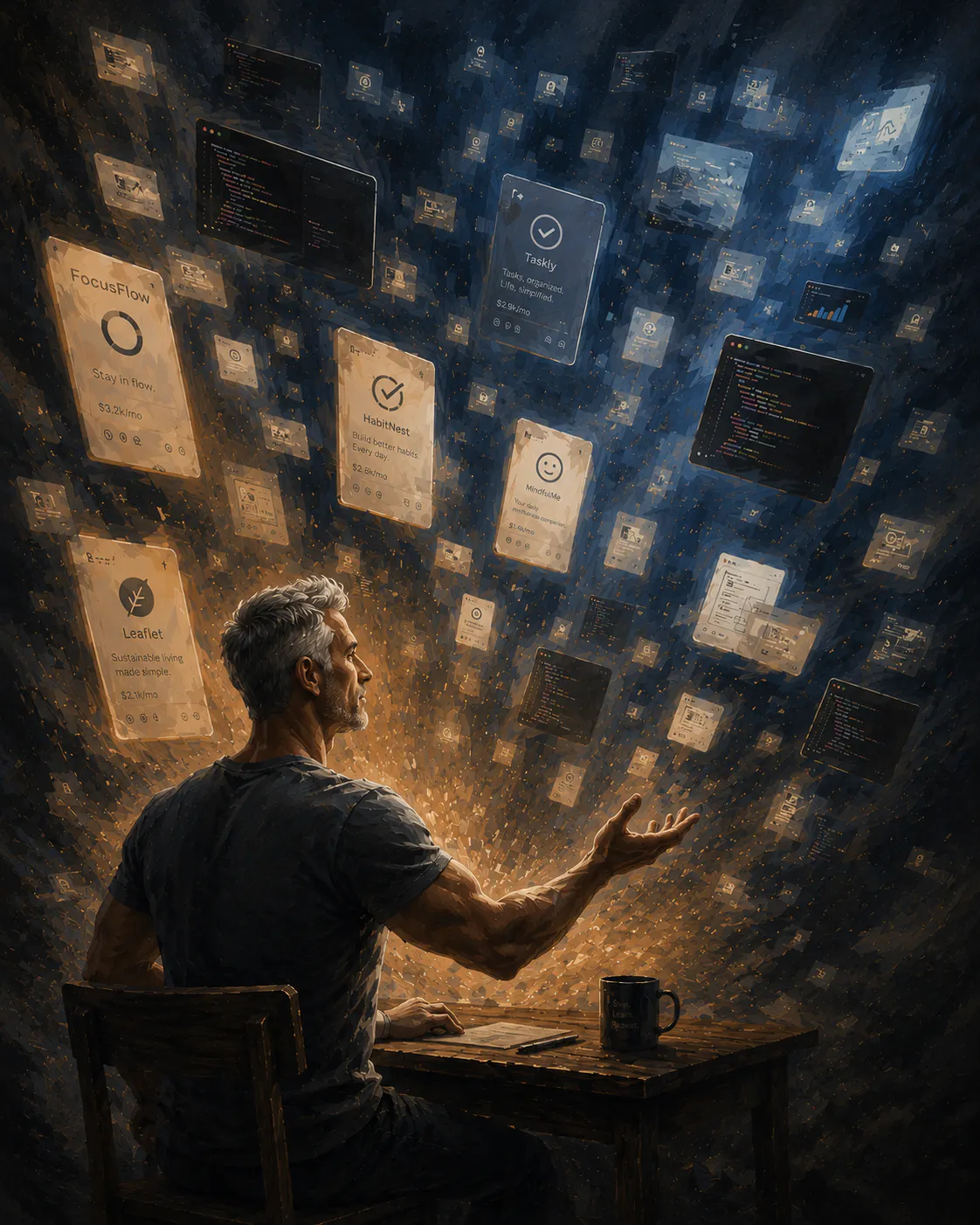
AI did not make our work smaller. It made our ambition bigger, and that changes everything about how we have to live.
The Leverage Has Shifted
For most of my career, the build phase was the real bottleneck. You needed developers, months of runway, and a serious budget just to put something in front of users. Distribution mattered too, obviously. But you couldn't even think about distribution without first surviving the build. That constraint kept the pace uncomfortable but manageable.
Then coding agents arrived. Then long-context models. Then AI-generated UI, database schemas, unit tests, end-to-end tests, PRDs, ERDs, pull request reviews, and customer support responses. The things that used to take a team of six and three months now take one person and a few days. Sometimes hours. The build constraint is basically gone.
The leverage has moved. Fully and fast.
AI-Directed Builders Are the New Winners
Here's the honest version: AI is still nothing without the person steering it. At least right now. The role didn't disappear. It changed shape.
We went from builders to directors. And the builders who made that shift fast, who got comfortable directing these tools instead of fighting them, are working at a pace that would have looked impossible a short while ago. I've seen it in my own projects. I've seen it in the people I talk to. The output is not a little higher. It's a different category. Things that used to sit in a backlog for a year now ship in a week.
This isn't about the tools. It's about who grabs the wheel.
I Was Wrong About What This Would Feel Like
My honest first reaction when AI coding got serious? "Great, I'll finally work less."
I was completely wrong.
The reality flipped on me fast. Because I can build 10 things where I used to build 1, I'm building 10 things. The product backlog I'd been ignoring for years (ideas I genuinely believed I'd "get to someday") is now a real execution list. Projects I shelved because I didn't have bandwidth are coming off the shelf. That's not rest. That's a massive increase in the number of things my brain is tracking at once.
I've noticed I'm more wired at 11pm than I was two years ago. That's not a flex. That's a data point.
Your Brain Becomes the Bottleneck
This is the part that doesn't get said enough. The AI is fast. A month of work done in hours is not an exaggeration anymore. But your brain has to keep pace with all of it. Pull requests to review. Product decisions across four different projects at once. Distribution strategies to run in parallel. Customer feedback coming in on things you shipped three days ago. The coding load dropped. The thinking load multiplied.
My brain runs 24/7 now in a way it didn't before. What to build next, which PR to merge, how to reach the right users for each product. And yes, you can delegate some of that to agents too. We're getting there. But we're not fully there yet, and in the gap between "AI can do some of this" and "AI does all of this," the founder brain is the system that absorbs the overflow.
The Real Challenge Is Not Technical
The deeper challenge isn't about tools or skills or strategy. It's about letting go.
I'm wired to hold the wheel tight. Review everything, approve everything, keep a hand on every output. That worked fine when the volume was manageable. One product, one team, one sprint. I could touch all of it.
It doesn't work anymore. The pace demands a different operating mode. One where I trust the output more, intervene less, and genuinely step back. Not because the work is done. But because holding everything means drowning in it. I need to train my brain to loosen the grip. To let the machine do more and to actually enjoy the life that's supposed to be happening around all of this.
That's harder than learning any new tool. It's a different kind of work.
The Question I Can't Stop Thinking About
I wonder if my best clients in a few years will be AI agents. Not people. Not companies. AI systems that need human judgment at specific moments, then operate independently the rest of the time.
It's a strange thought to sit with. A little unsettling, honestly. But the direction feels real. The builders who figure out how to trust the acceleration, how to enjoy the ride while the machine runs, will have a real edge. The ones who grip harder are going to burn out.
I don't fully know which one I am yet.